
Supporting oncology professionals through education
The content on this site is intended for healthcare professionals only
The content on this site is intended for healthcare professionals only
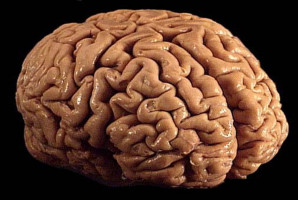
UCLA scientists have developed advanced miniature 3D tumour organoid models that make it possible to study glioblastoma tumours in a setting that closely mirrors the human brain, shedding light on how the aggressive cancer interacts with surrounding brain cells and the immune system to become more invasive and resistant to therapy.
The organoid models, described in two complementary studies published in Cell Reports, are built from human stem cells and recreate the complex mix of cell types found in the human brain.
This approach allows researchers to directly observe how patient-derived tumours communicate with healthy brain tissue, revealing vulnerabilities that could be targeted with more personalised therapies.
“Glioblastoma has been incredibly difficult to treat in part because we haven’t had good ways to study how tumours behave in a truly human brain environment,” said senior author of the studies Aparna Bhaduri, PhD, assistant professor of medicine and biological chemistry at the David Geffen School of Medicine at UCLA and investigator at the UCLA Health Jonsson Comprehensive Cancer Centre.
“These new models developed by my lab help us understand how interactions with brain tissue and immune cells contribute to therapy failure, which is crucial for developing more effective, patient-specific treatments.”
Model helps identify hidden regulator of tumour aggressiveness
The first model, called the Human Organoid Tumour Transplantation (HOTT) system, reveals how glioblastoma communicates with surrounding brain cells to change its identity, invade tissue and resist treatment.
Using the HOTT system, researchers were able to closely observe how tumours interact with their microenvironment, uncovering a key communication pathway between tumour cells and surrounding brain cells.
They found PTPRZ1, a protein expressed by both tumour cells and nearby brain cells in glioblastoma tissue, as a major regulator of tumour behaviour that helps determine how aggressive the tumour becomes.
When the researchers reduced PTPRZ1 levels specifically in the brain cells of the organoids, they observed significant changes in the tumour cells, even though the tumour cells themselves were not directly altered.
The tumour cells shifted into a more aggressive, invasive state, activating genes linked to movement and tissue invasion.
They also formed longer tumour microtubes, thin cellular extensions that help tumours spread through the brain and resist treatment.
These effects, surprisingly, did not depend on PTPRZ1’s usual enzyme activity, revealing a previously unrecognised role for the protein as a signalling mediator within the tumour environment.
“This study shows that glioblastoma is strongly influenced by the surrounding brain cells, not just the cancer itself,” said Bhaduri, who is also a member of the UCLA Broad Stem Cell Research Centre. “By identifying PTPRZ1 as a new regulator of tumour behaviour, we’re revealing hidden communication pathways and demonstrating how these organoid models can help uncover more effective therapeutic targets.”
Tumour-immune model mimics how glioblastoma responds to immunotherapy
The second model, called the immune-human organoid tumour transplantation (iHOTT) model, builds on the HOTT system by incorporating components of the immune system into the organoids, enabling scientists to study how immune cells influence tumour growth and therapy resistance in a way that realistically mimics how glioblastoma responds to immunotherapy.
This approach preserves key features of both the tumour and immune cells, including CD4 and CD8 T cells, B cells, NK cells, and myeloid cells, allowing researchers to see how the cells communicate, how immune cells behave, and which populations expand or shut down in response to the tumour.
To test the system, the researchers treated the organoids with pembrolizumab, a PD-1 checkpoint inhibitor commonly used in cancer immunotherapy.
They found that the drug activated the immune system, boosting CD4 T cells, B cells and immune signalling, yet tumour cells continued to survive and grow.
So, while pembrolizumab can “wake up” the immune system, that alone is not enough to destroy glioblastoma.
“These immune changes observed in the lab closely mirrored what happens in real patients treated with pembrolizumab,” said Bhaduri.
“The same shifts in immune cell populations occurred, the same communication pathways between immune cells were activated, and even rare or unconventional immune cell types expanded in similar ways. This demonstrates that iHOTT faithfully reproduces patient-like immune responses in a human-relevant system.”
By sequencing T cell receptors, the team also found that pembrolizumab increased the diversity of T cells, but the new T cells were unique to each individual rather than shared across patients.
The strongest expansion occurred in CD4 T cells with a “stem-like” profile capable of generating continuous immune responses.
These findings help explain why PD-1 inhibitors show limited benefit in glioblastoma, as each patient’s immune system reacts differently and very few T cells recognise shared tumour targets.
These findings, the researchers noted, show how organoid models can uncover mechanisms that are otherwise hidden in standard animal models and cell cultures.
“Together, these studies show that these patient-specific organoid models offer a powerful tool to uncover hidden tumour interactions and test new therapies, bringing personalised treatment for this deadly cancer a step closer,” said Bhaduri.
Source: University of California - Los Angeles Health Sciences
We are an independent charity and are not backed by a large company or society. We raise every penny ourselves to improve the standards of cancer care through education. You can help us continue our work to address inequalities in cancer care by making a donation.
Any donation, however small, contributes directly towards the costs of creating and sharing free oncology education.
Together we can get better outcomes for patients by tackling global inequalities in access to the results of cancer research.
Thank you for your support.